Cart
0
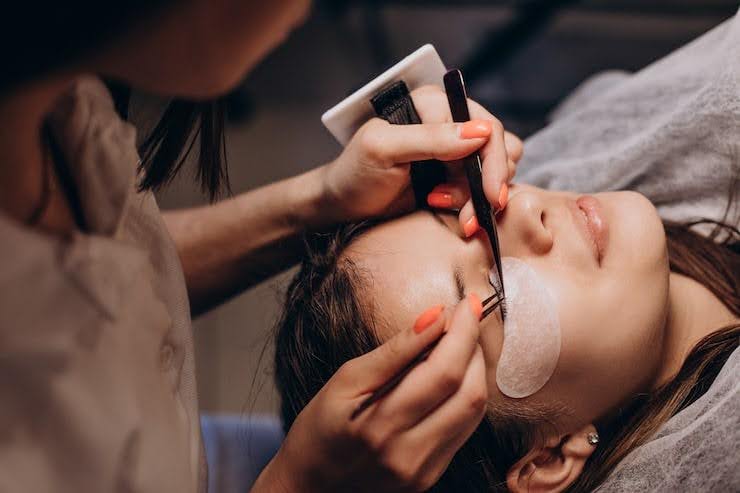
Every lash artist wants to create beautiful lash sets, but beauty alone is not enough. If the lashes do not last, the client will not feel fully satisfied with the service. This is why lash retention is one of the most important parts of professional lash work.
Good lash retention means the extensions stay attached to the natural lashes for as long as possible, without premature shedding, gaps, or patchy loss. It helps clients enjoy their lash sets between appointments and gives them more confidence in your work.
For professional lash artists, retention is not about one single product or one quick trick. It comes from a complete system. Lash prep, adhesive choice, humidity, attachment, aftercare, and finishing products all work together to create long-lasting results.
What Is Lash Retention?
Lash retention refers to how well lash extensions stay attached to the natural lashes after application. Since natural lashes grow and shed in cycles, some lash loss is completely normal. Clients naturally lose lashes every day, and extensions attached to those natural lashes will shed with them.
The problem starts when extensions fall off too quickly without the natural lash attached. This usually means the bond between the extension and natural lash was not strong enough.
When retention is good, clients return for infills with a healthy amount of lashes still in place. When retention is poor, they may come back with large gaps, uneven lash lines, or complaints that their lashes did not last.
This is why every professional lash artist should understand what affects lash retention and how to improve it.
Why Lash Retention Matters for Your Business
Better retention leads to happier clients. When clients notice that their lashes last well, they are more likely to trust you, rebook with you, and recommend your services to other people.
Poor lash retention can affect your reputation, even if the lash set looked beautiful on the day of treatment. A client may love the result in the mirror, but if too many lashes fall out within a few days, they may feel disappointed.
Strong retention also makes infill appointments easier. Instead of rebuilding most of the set, you can refresh the lashes, fill gaps, and maintain the shape. This saves time and creates a better experience for both the lash artist and the client.
For luxury lash services, retention is part of the standard. Clients are not only paying for a pretty lash map. They are paying for a professional result that lasts.
Start with Clean Natural Lashes
Good retention begins before the adhesive even touches the lash. The natural lashes must be clean, free from oil, makeup, skincare residue, dust, and dead skin.
If the lashes are not cleaned properly, the adhesive may bond to residue instead of the natural lash. This creates a weak attachment and causes early lash loss.
Professional lash artists should always begin with proper lash cleansing. A lash shampoo or professional lash cleanser helps remove oils and buildup from the lash line. This is especially important for clients who wear makeup, use eye creams, have oily skin, or come to appointments after a long day.
Clean lashes give the adhesive the best possible surface to bond with. Without proper cleansing, even the best lash adhesive cannot perform at its full potential.
Why Lash Prep Is So Important
Lash prep is one of the biggest factors in lash retention. It sets the foundation for the whole appointment.
After cleansing, some lash artists may use primer depending on the client’s natural lashes and skin type. Primer can help remove remaining oils and prepare the lash surface for adhesive. However, it should be used carefully and professionally, as overusing prep products can sometimes affect the lashes.
The goal is to create a clean, balanced surface. The natural lashes should not be oily, wet, dusty, or overloaded with product.
A strong lash prep routine may include lash shampoo, saline rinse if needed, careful drying, primer when suitable, and clean isolation before application begins.
When prep is done correctly, the adhesive has a better chance of creating a strong bond.
Choose the Right Lash Adhesive
Lash adhesive plays a major role in lash retention, but the right adhesive depends on several things. Your room humidity, room temperature, working speed, and experience level all matter.
A fast-drying adhesive may be perfect for an experienced lash artist who works quickly. However, if the adhesive dries before the extension is placed properly, the bond will be weak.
A slower adhesive may be better for newer lash artists or those who prefer a more controlled pace. However, if the adhesive dries too slowly, lashes may stick together or move after placement.
The best lash adhesive is the one that matches your environment and technique. Strong retention comes from choosing an adhesive that works with your lash room, not against it.
Control Humidity and Temperature
Humidity and temperature can completely change how lash adhesive performs. Most lash adhesives cure by reacting with moisture in the air. If there is too much moisture, the adhesive may cure too quickly. If there is not enough moisture, it may cure too slowly.
When humidity is too high, the adhesive can dry before the extension is properly attached to the natural lash. This may cause lashes to pop off shortly after treatment.
When humidity is too low, the adhesive may stay wet for too long. This can make application messy and increase the risk of stickies.
Temperature also matters. A hot room can make adhesive behave faster, while a cold room can slow it down.
For better lash retention, professional lash artists should monitor their treatment room and use products that suit their normal conditions. A hygrometer is a useful tool because it helps you understand what is really happening in your lash space.
Use Fresh Adhesive Drops
A fresh adhesive drop is essential for strong retention. Once adhesive is exposed to air, it starts curing. As the appointment continues, the glue drop can become thicker, stringier, or less effective.
Using an old glue drop can cause weak attachment, even if the adhesive bottle itself is high quality.
Professional lash artists should replace their adhesive drop regularly during the treatment. This keeps the adhesive fresh and helps every extension bond properly.
The bottle should also be stored correctly. Lash adhesive should be kept away from heat, direct sunlight, and moisture. The nozzle should be cleaned after use, and the bottle should be closed tightly.
Fresh adhesive helps create fresh bonds. This small habit can make a big difference to lash retention.
Perfect Your Attachment
Application technique is just as important as products. If the lash extension is not attached properly to the natural lash, retention will suffer.
The base of the extension should connect cleanly to the natural lash. There should be enough bonding surface for the adhesive to hold, but not so much glue that the lashes become heavy or clumpy.
Poor attachment can happen when the extension is placed at the wrong angle, when the base lifts, or when the adhesive does not fully connect with the natural lash.
Good attachment should look clean, controlled, and secure. The extension should follow the direction of the natural lash and sit neatly without twisting.
For better lash retention, every lash needs proper contact, not just quick placement.
Avoid Using Too Much Adhesive
Many beginner lash artists think more glue means better retention, but this is not true. Too much adhesive can create clumps, stickies, discomfort, and poor-looking results.
A small, controlled amount of adhesive is usually enough when the attachment is correct. The bond should be clean and precise.
Too much adhesive can also make the lash set feel heavy. This may affect the health of the natural lashes and make the client uncomfortable.
Professional lash artists should focus on controlled dipping, correct placement, and clean bonding. Retention is not about using more product. It is about using the right amount in the right way.
Isolation Affects Retention Too
Clean isolation is essential for lash health and retention. Each extension should be attached to one natural lash only.
If lashes are stuck together, they can pull during the natural growth cycle. This can cause discomfort, damage, and poor retention.
Stickies can also make the lash set look messy as the natural lashes grow. Clients may feel irritation or notice lashes twisting in different directions.
Using high-quality isolation tweezers and taking time with separation can help create cleaner sets. Good isolation protects the natural lashes and supports better long-term results.
For professional lash artists, isolation is not optional. It is one of the foundations of safe lash extension work.
Use Lash Super Bonder Correctly
Lash super bonder can help improve lash retention when used correctly at the end of the treatment. It supports the adhesive curing process and can help reduce adhesive fumes.
A small amount of bonder is applied near the adhesive bonding points after the lash set is completed. It should not be used heavily or soaked through the lashes.
Super bonder is not a replacement for good technique, proper prep, or quality adhesive. However, it can be a powerful finishing step when the rest of the lash system is already strong.
For clients who struggle with retention, a professional lash super bonder can help give the lash set a stronger final finish.

Educate Clients About Aftercare
Even perfect application can be affected by poor aftercare. Clients need to understand how to look after their lash extensions between appointments.
They should avoid rubbing or pulling their lashes. They should keep oily skincare and makeup removers away from the lash line. They should clean their lashes regularly with a proper lash cleanser. They should avoid sleeping directly on their face where possible.
Some clients are afraid to wash their lashes because they think water will make them fall out. In reality, dirty lashes can lead to buildup, oil, poor retention, and even irritation.
Professional lash artists should explain aftercare clearly. When clients understand how to care for their lashes, lash retention usually improves.
Common Reasons for Poor Lash Retention
Poor retention can happen for many reasons. Sometimes it is caused by the lash artist’s technique. Sometimes it is caused by the client’s lifestyle or aftercare. Sometimes it is caused by room conditions or product issues.
Oily natural lashes can affect adhesive bonding. Makeup residue can create a barrier. Wrong humidity can cause adhesive problems. Old glue drops can weaken attachment. Poor isolation can cause lashes to pull and shed early.
Clients who use heavy eye creams, sleep on their face, rub their eyes, swim often, or expose lashes to steam may also experience faster lash loss.
The key is to look at the full picture. Retention problems are rarely caused by one thing only. A professional lash artist should review prep, adhesive, room conditions, application, and aftercare together.
How to Improve Retention for Oily Skin Clients
Clients with oily skin may struggle more with retention because oil can break down the adhesive bond over time. These clients need extra attention during lash prep and aftercare.
The lashes should be cleansed thoroughly before application. A suitable primer may help when used correctly. The client should also be advised to clean their lashes regularly at home with a lash-safe cleanser.
Oily clients may need more frequent infills depending on their skin type and lifestyle. However, with good prep and the right products, their lash retention can still improve.
Professional lash artists should not blame clients immediately. Instead, they should create a retention plan that supports that client’s natural lash condition.
How Lash Products Work Together
The best retention comes from using professional lash products as a system. Lash shampoo cleans the lashes. Primer prepares the surface when needed. Lash adhesive creates the bond. Tweezers support clean placement and isolation. Lash super bonder helps finish the curing process. Aftercare products help clients maintain the results at home.
Each product has a role. When one step is skipped or done poorly, retention can suffer.
Luxury lash supplies are designed to help lash artists create better, more consistent results. When products are used correctly, they support both the artist’s technique and the client’s final experience.
Final Thoughts
Lash retention is one of the most important parts of professional lash artistry. It affects client satisfaction, rebooking, reviews, and the overall success of a lash business.
Strong retention does not come from one product alone. It comes from clean lash prep, suitable adhesive, controlled humidity, fresh glue drops, proper attachment, clean isolation, lash super bonder, and good client aftercare.
For professional lash artists, improving lash retention means building a better system from start to finish. When every step is done with care, clients notice the difference. Their lashes last longer, their sets look better between appointments, and they are more likely to return for future treatments.
FAQs
What is lash retention?
Lash retention means how well lash extensions stay attached to the natural lashes after application. Good retention means the lashes last well between appointments without excessive early shedding.
Why is my client’s lash retention poor?
Poor retention can be caused by oily lashes, poor prep, wrong adhesive, incorrect humidity, old glue drops, weak attachment, stickies, or poor aftercare.
Does lash super bonder help with retention?
Yes, lash super bonder can support the adhesive curing process and help improve retention when used correctly after application.
How can lash artists improve retention?
Lash artists can improve retention by cleansing the lashes properly, choosing the right adhesive, controlling humidity, using fresh glue drops, applying extensions correctly, and giving clear aftercare advice.
Can aftercare affect lash retention?
Yes, aftercare has a big effect on retention. Clients should clean their lashes, avoid oils around the lash line, avoid rubbing their eyes, and follow professional aftercare advice.