Cart
0
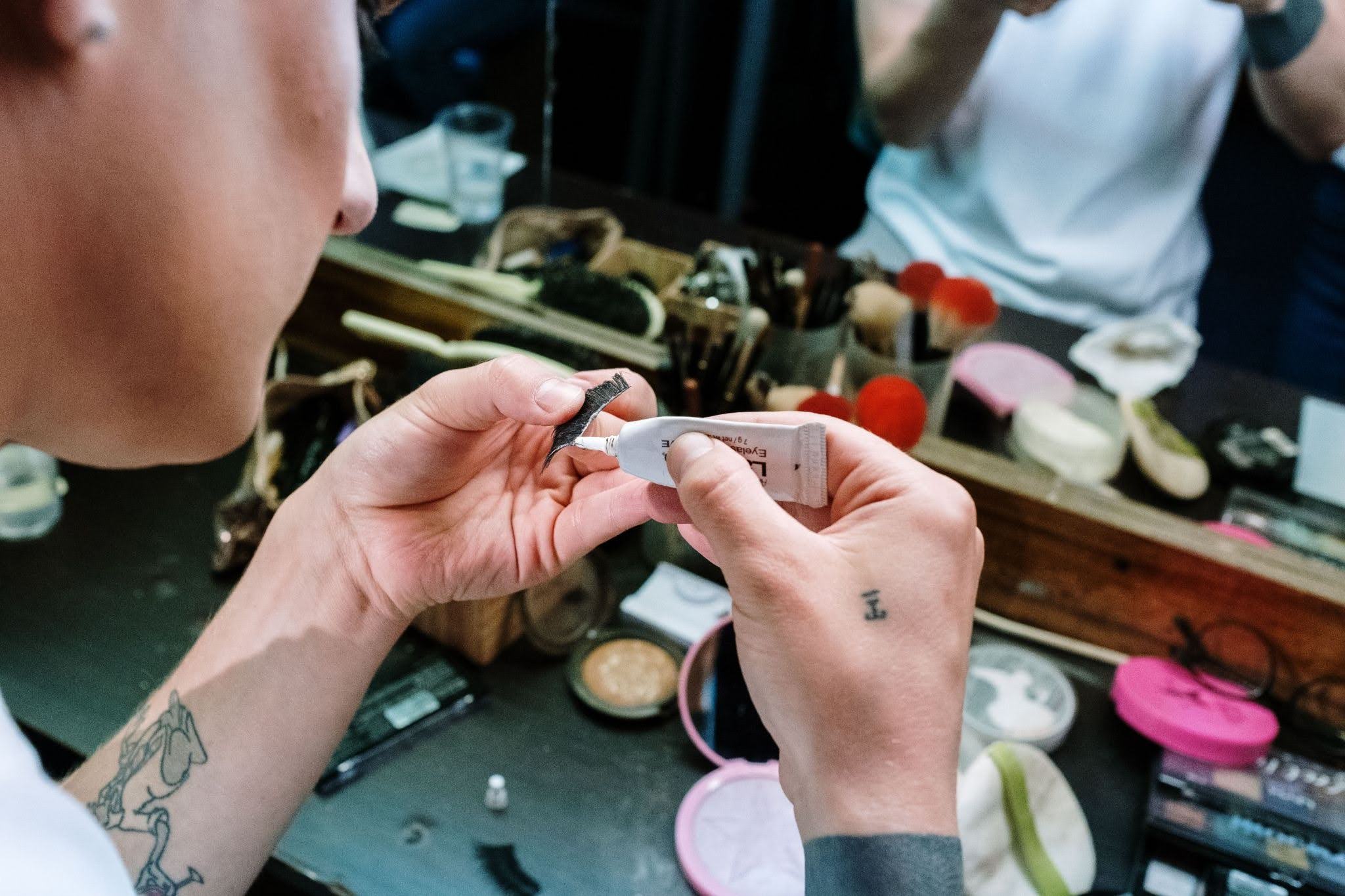
Choosing the best lash adhesive is one of the most important decisions a professional lash artist can make. Your adhesive affects retention, speed, comfort, and the final finish of every lash set.
A beautiful lash map and perfect isolation will not perform well if the adhesive is not suited to your room conditions. This is why humidity and temperature matter so much in lash extension treatments.
For professional lash artists, the best lash adhesive is not always the strongest one or the fastest one. It is the one that works with your speed, your room environment, your technique, and your clients’ needs.
Why Lash Adhesive Matters So Much
Lash adhesive is what creates the bond between the natural lash and the lash extension. If the bond is strong and properly cured, the client can enjoy better retention and a fuller-looking set for longer.
If the adhesive is not working correctly, lashes may pop off too soon, slide during application, or create poor attachment. This can lead to gaps, unhappy clients, and more frequent infill issues.
The best lash adhesive should help you work smoothly without rushing, clumping, or causing unnecessary discomfort for the client. It should support your lash style, whether you offer classic lashes, hybrid lashes, volume lashes, or wispy lash sets.
A reliable adhesive gives you confidence during treatment and helps your clients trust the quality of your work.
How Humidity Affects Lash Adhesive
Humidity is one of the biggest factors in lash adhesive performance. Most lash adhesives cure by reacting with moisture in the air. This means the amount of moisture in your lash room can change how quickly or slowly your adhesive dries.
When humidity is too high, adhesive may cure too quickly. This can cause the glue drop to dry before you place the extension properly. The lash may look attached, but the bond may be weak because the adhesive cured before full contact was made.
When humidity is too low, adhesive may cure too slowly. The extension may slide, stick to nearby lashes, or take too long to set. This can slow down your treatment and make clean isolation harder.
The best lash adhesive for your lash room should match the humidity range you usually work in. This is why professional lash artists should understand their room conditions before choosing an adhesive.
Why Temperature Also Matters
Humidity is important, but temperature also plays a major role. A lash room that is too hot can make adhesive behave differently. A room that is too cold can also slow down the curing process.
Many lash adhesives perform best within a specific temperature range. If your room is outside that range, your adhesive may not work as expected, even if the humidity seems correct.
For example, a fast-drying adhesive in a warm room may cure too quickly for some lash artists. A slower adhesive in a colder room may take too long to set.
The best lash adhesive should work comfortably within your normal treatment space. This is why lash artists should pay attention to both humidity and temperature during every appointment.
Fast-Drying vs Slower-Drying Lash Adhesive
Not every lash artist needs the same drying speed. A fast-drying adhesive is usually better for experienced lash artists who can isolate, dip, place, and release very quickly.
If a newer lash artist uses an adhesive that dries too fast, the extension may not bond properly before the adhesive has already cured. This can lead to poor retention, even if the application looks neat at first.
A slower-drying adhesive can be more forgiving. It gives the lash artist a little more time to place the extension correctly. This can be helpful for beginners or artists who prefer a slower, more controlled pace.
The best lash adhesive is the one that matches your real working speed. Choosing an adhesive that is too fast for your technique can damage retention instead of improving it.
How to Know If Your Adhesive Is Too Fast
If your adhesive is curing too quickly, you may notice lashes popping off during brushing or shortly after application. You may also see poor attachment even though your isolation looks clean.
The extension may sit on the natural lash but not fully wrap or connect to it. This often happens when the adhesive cures before the extension is properly placed.
Clients may return with patchy retention, especially in areas where you worked more slowly or adjusted placement too much.
If this happens often, your adhesive may be too fast for your room conditions or your application speed. In this case, the best lash adhesive for you may be one with a slightly slower drying time or a different humidity range.
How to Know If Your Adhesive Is Too Slow
If your adhesive is drying too slowly, lashes may stick together more easily. You may find it harder to keep clean isolation, especially when working with volume fans or textured lash sets.
The extension may move after placement, causing messy attachment or uneven direction. This can affect the final look of the lash set.
Slow curing can also make the appointment feel longer because you may need to wait before moving on to nearby lashes.
If your adhesive feels sticky for too long, your room humidity may be too low, or the adhesive may simply be too slow for your working style.
The best lash adhesive should give you enough time to place the extension, but not so much time that it slows down your whole treatment.
Choosing Lash Adhesive for Retention
Retention is one of the main reasons lash artists search for the best lash adhesive. However, retention is not only about the adhesive itself.
Good retention comes from a full professional system. The natural lashes must be properly cleansed. Any oil, makeup, dust, or residue should be removed before application. The adhesive drop should be fresh. The attachment should be clean. The client should receive proper aftercare advice.
A high-quality adhesive can support excellent retention, but it cannot fix poor preparation or incorrect placement.
This is why professional lash artists often pair their adhesive with lash cleanser, primer when needed, and lash super bonder at the end of the treatment. These products work together to support a stronger and longer-lasting result.
Black Adhesive vs Clear Adhesive
Many professional lash artists use black lash adhesive because it creates a defined finish and blends beautifully with dark lash extensions. It can make the lash line look fuller and more polished.
Clear adhesive can be useful for clients who may be sensitive to carbon black or for coloured lash sets where a black bond may look too visible.
The best lash adhesive depends on the client, the lash style, and the look you want to create. Black adhesive is often the go-to choice for classic, hybrid, volume, and mega volume lash sets. Clear adhesive can be helpful for more specific client needs.
Professional lash artists should understand both options so they can choose the most suitable adhesive for each treatment.
Adhesive Freshness and Storage
Even the best lash adhesive will not perform well if it is old, contaminated, or stored incorrectly.
Lash adhesive should be kept away from direct sunlight, heat, and moisture. Once opened, it should be used within the recommended timeframe. The nozzle should be cleaned properly, and the bottle should be closed tightly after each use.
If adhesive becomes stringy, thick, separated, or difficult to work with, it may no longer be suitable for professional use.
Fresh adhesive gives better control, cleaner dipping, and more reliable retention. For luxury lash services, product freshness should always be part of the professional standard.
How Often Should You Change Your Glue Drop?
A fresh glue drop is essential during lash extension treatments. As the adhesive sits exposed to air, it slowly starts curing. This means it may become less effective as the appointment continues.
If the glue drop becomes thick, sticky, or slow to grab, it should be replaced. Working with an old glue drop can lead to weak bonds and poor retention.
Professional lash artists often change their adhesive drop regularly throughout the treatment to keep the bond fresh and consistent.
The best lash adhesive will still need proper handling during the appointment. Good habits make a big difference to the final result.
Matching Adhesive to Lash Style
Different lash styles may require different adhesive preferences. Classic lashes often allow a little more control because one extension is placed on one natural lash.
Volume lashes require careful timing because fans need to be placed neatly without closing, twisting, or sticking to neighbouring lashes.
Wispy lashes, angel lashes, wet look lashes, and textured sets also need controlled placement. If the adhesive is too fast or too slow, it can affect the direction and neatness of the style.
The best lash adhesive should support the type of work you do most often. If you offer advanced lash maps and luxury lash sets, your adhesive needs to match your skill level and styling goals.

Client Comfort and Adhesive Choice
Client comfort is another important part of choosing lash adhesive. Some clients may be more sensitive to fumes than others. They may experience watering, redness, or mild discomfort during treatment.
A professional lash artist should always work with care, use the correct amount of adhesive, and keep the treatment area well controlled.
Using lash super bonder at the end of the appointment can also help reduce adhesive fumes and support the curing process. This can make the final experience feel more comfortable for the client.
The best lash adhesive is not only about strong retention. It should also help create a smooth, professional, and comfortable appointment.
Why Professional Lash Artists Should Not Guess
Guessing with adhesive can lead to inconsistent results. One day retention may be great, and the next day clients may experience early shedding. This usually happens when the lash artist is not monitoring room conditions or is using the wrong adhesive for the environment.
Professional lash artists should understand how their products behave. They should know their room humidity, their temperature, their application speed, and their client base.
Once these details are clear, choosing the best lash adhesive becomes much easier.
Instead of blaming the product or the client, lash artists can make smarter decisions and build a more reliable lash system.
Final Thoughts
Choosing the best lash adhesive is about more than picking a popular product. It is about understanding how adhesive works with humidity, temperature, drying time, technique, and retention.
A good adhesive should match your room conditions and your application speed. It should help you create clean attachment, strong retention, and a comfortable client experience.
For professional lash artists offering luxury lash services, adhesive is one of the most important products in the kit. When paired with proper lash prep, fresh glue drops, quality lash extensions, lash super bonder, and correct aftercare, it can help create results that clients love and return for.
FAQs
What is the best lash adhesive for professional lash artists?
The best lash adhesive is one that matches your room humidity, temperature, drying speed, and application technique. It should support strong retention and clean attachment.
Does humidity affect lash adhesive?
Yes, humidity has a major effect on lash adhesive. High humidity can make adhesive cure too quickly, while low humidity can make it cure too slowly.
Why is my lash adhesive not lasting?
Poor retention can happen because of incorrect humidity, old adhesive, poor lash prep, slow placement, oily lashes, or weak aftercare. The adhesive must be used as part of a full professional lash system.
Should beginners use fast-drying lash adhesive?
Beginners usually do better with a slightly slower adhesive because it gives more time for correct placement. Fast-drying adhesive is better for experienced lash artists who work quickly.
Can lash super bonder help adhesive retention?
Yes, lash super bonder can help support the curing process, reduce fumes, and improve retention when used correctly after lash extension application.